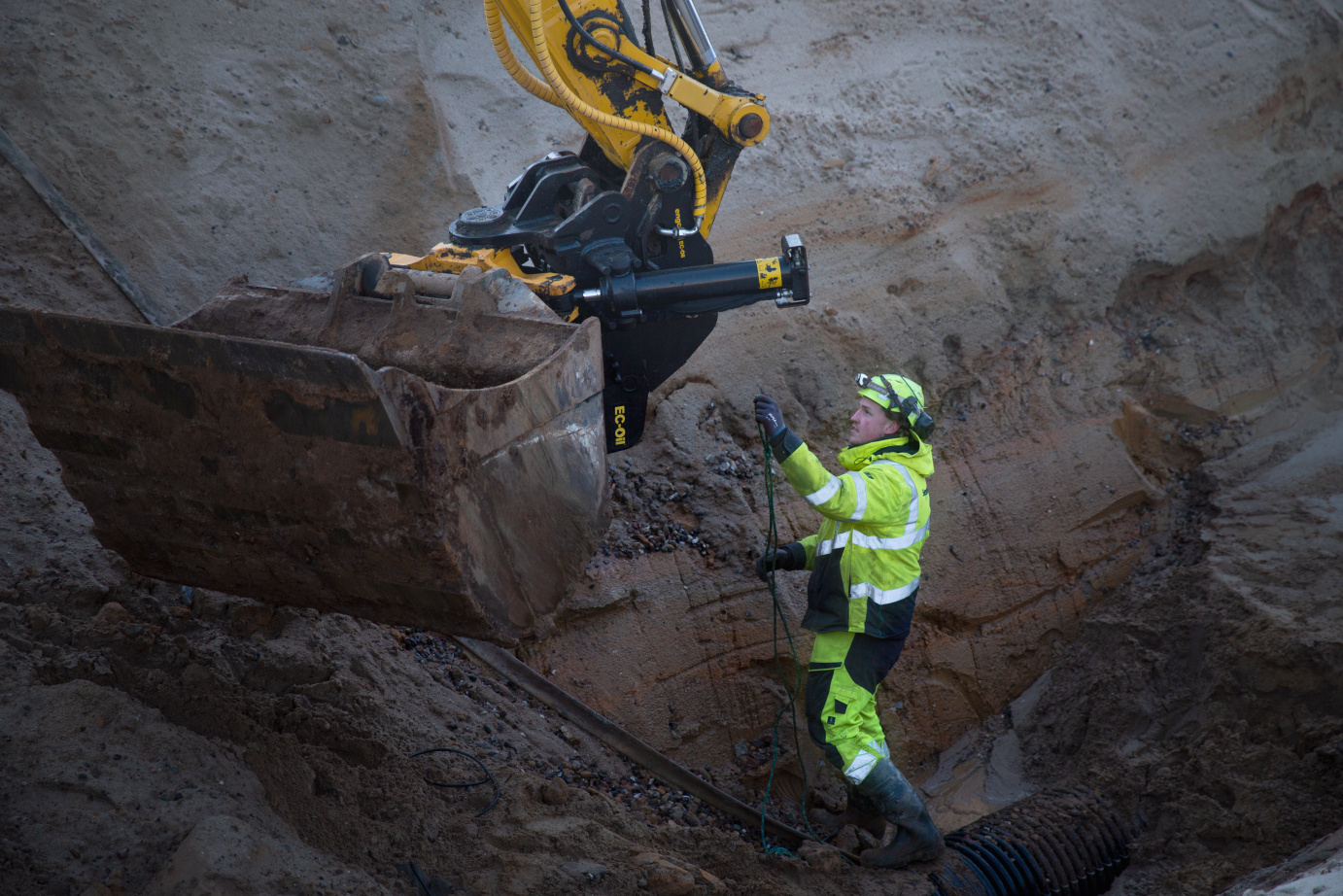
Safety clothing is categorized into different classes based on the level of visibility and protection they provide. The classes of safety clothing are typically defined by national safety standards such as those developed by ANSI (American National Standards Institute) or EN (European Norms). Here are the three most common classes of safety clothing:
- Class 1: Class 1 safety clothing is the lowest level of visibility and protection and is typically used in low-risk work environments. This class of safety clothing includes garments like safety vests and t-shirts that have retroreflective striping and are designed to increase visibility during the day and night.
- Class 2: Class 2 safety clothing provides a moderate level of visibility and protection and is designed for use in work environments with moderate to high traffic speeds. This class of safety clothing includes garments like safety vests, jackets, and rainwear that have retroreflective striping and fluorescent material for increased visibility.
- Class 3: Class 3 safety clothing provides the highest level of visibility and protection and is designed for use in work environments with high traffic speeds and/or poor visibility conditions. This class of safety clothing includes garments like safety jackets, rainwear, and coveralls that have retroreflective striping and fluorescent material covering more of the garment's surface area.
It's important to note that the specific requirements for safety clothing classes may vary depending on the industry, country, or region. Always consult with your employer or the applicable safety standards to determine the appropriate class of safety clothing for your work environment.